
5 min read · Updated 2026-11-05
How to spot a fake supplier: red flags before you pay
Most import scams follow the same pattern: a very good offer, pressure to pay fast, and a fake supplier who disappears after the transfer. The good news is that a few simple checks catch most of them, and they cost almost nothing.
Quick answer
- To spot a fake supplier, check that the company is real, that the name on the payment account matches the company, and that you have seen the product and the place it is made on a live video call.
- Order a paid sample first, start with a small order, and keep your payment inside the platform's protection.
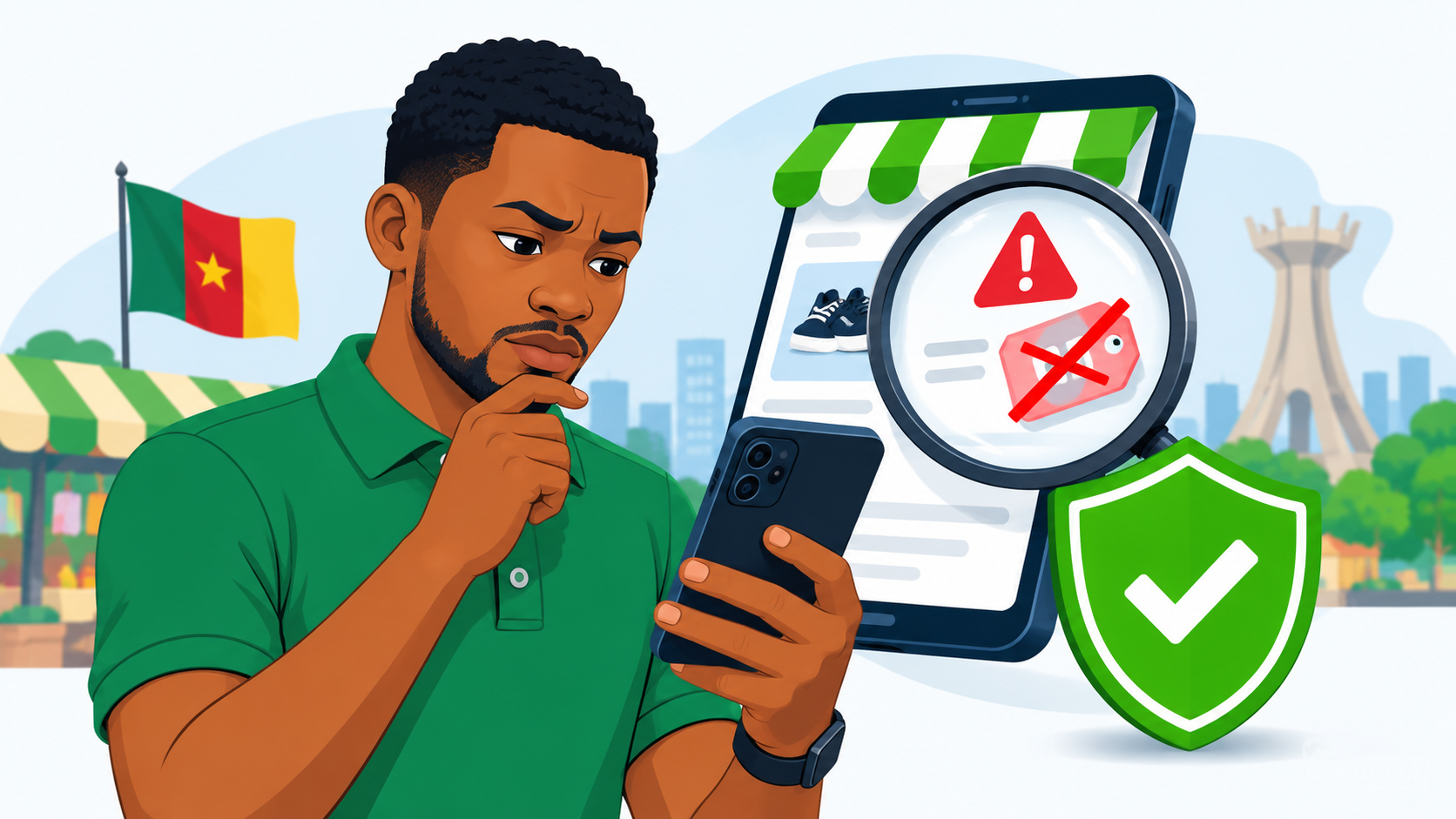
Warning signs of a fake supplier
- The price is far below every other supplier for the same product.
- They push you to pay quickly, or say the discount ends today.
- They only accept payment to a personal account, or to a name that does not match the company.
- They refuse a video call, or will not show their workshop or warehouse.
- They will not send a sample, or the sample costs far more than it should.
- They move the chat away from the platform to a private app very early.
A serious supplier will not walk away from a real customer because you need one more day to check. Urgency is a tactic, not a reason to hurry.
Checks to do before you order
- 1
Ask for the business registration
Check that the company name matches the name on the invoice and on the bank account you would pay. A mismatch is the biggest red flag.
- 2
Ask for a live video call
Ask them to show the product and the place where it is made, in real time. Real factories and traders are used to this.
- 3
Read the history, not just the stars
On a platform, look at years in operation and transaction history. A new account with perfect reviews deserves extra care.
- 4
Order a sample first
Even if it costs a little, a sample tells you about the product and about how the supplier behaves.
Protect the first order
- Start with a small order, then grow it once the supplier has delivered well.
- Use the payment protection that the platform offers, and keep the whole conversation on the platform.
- Avoid paying the full amount upfront on a large first order.
- Keep every message, invoice and photo. You will need them if something goes wrong.
The most common pattern is simple: a supplier quotes an attractive price, asks for a bank transfer outside the platform to start production, and then goes quiet. Keeping payment inside the platform removes the easiest way to steal from you.
Frequently asked questions
How can I check if a supplier is real?
Ask for the business registration and compare the company name with the payment account name. Then ask for a live video call that shows the product and the workplace. If the supplier avoids either, treat it as a warning sign.
Is a cheap price always a sign of a fake supplier?
No, but a price far below every other offer for the same product deserves extra checking. Compare several quotes, ask what quality is included, and order a sample before you decide.
What should I do if a supplier asks me to pay outside the platform?
Say no. Paying outside the platform means you lose its payment protection. This request is the most common step before a scam, so slow down and keep the payment inside the platform.
From Module 4: Sourcing and Vetting Suppliers
Check every supplier the same way
Download our one-page supplier checklist and run through it before every first order.
Download the checklistYour next step
Written by the Sabbi team
Based on the Sabbi Importation course. This is general guidance, not legal or customs advice. Confirm rates and rules with a licensed clearing agent.
Found this useful? Send it to a trader who is just starting out.
Share on WhatsApp